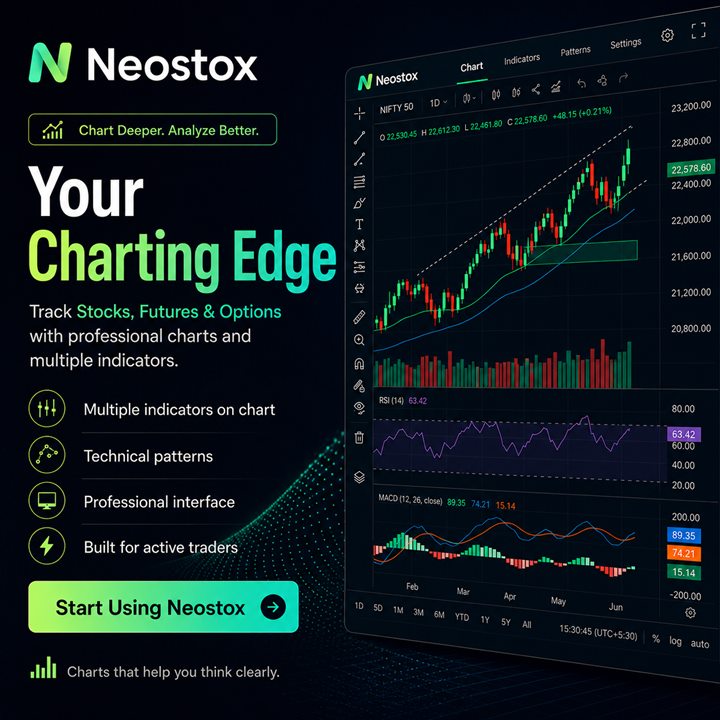
Intrinsic Value vs Time Value: What Are You Paying for in an Option?
A call costs ₹32, but only ₹20 is intrinsic value. Work through intrinsic value vs time value and see why being in the money doesn’t always mean a profit.
Read More
A call costs ₹32, but only ₹20 is intrinsic value. Work through intrinsic value vs time value and see why being in the money doesn’t always mean a profit.
Read More
Why does a call option fall when the market rises? Follow a call from ₹100 to ₹91 and check the contract, time, volatility and quotes behind the change.
Read More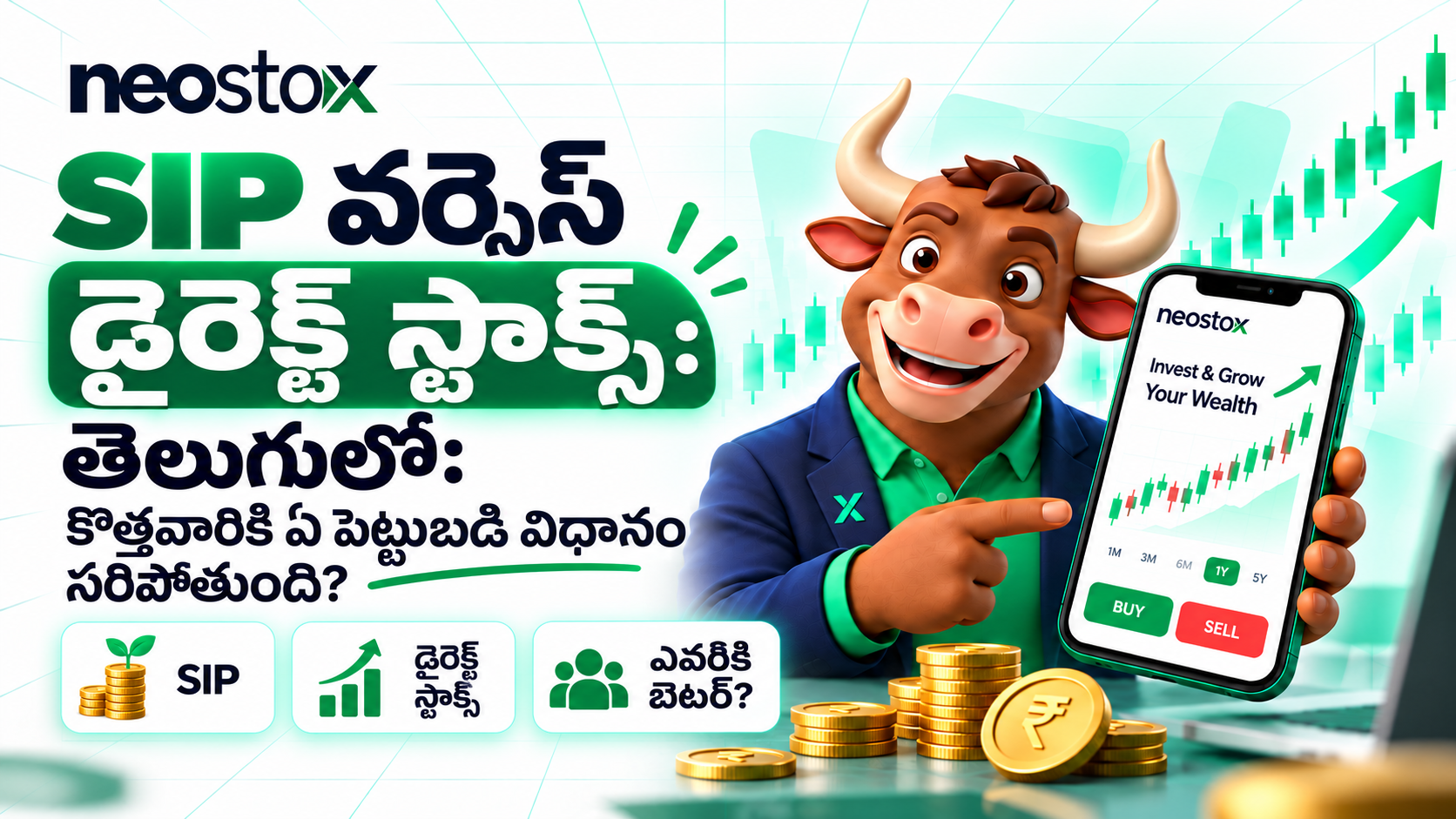
ఈ గైడ్ SIP ద్వారా మ్యూచువల్ ఫండ్లలో, నేరుగా షేర్లలో పెట్టుబడి పెట్టే విధానాల మధ్య తేడాలను వివరిస్తుంది. ఇది ఏ ఫండ్నూ, షేరునూ, AMC నూ, ప్లాట్ఫామ్నూ సిఫార్సు చేయదు, మీకు ఏది సరైనదో చెప్పదు. ఇందులో ఏదీ పెట్టుబడి సలహా కాదు. వెల్లడి: Neostox ఒక వర్చువల్ ట్రేడింగ్ విద్యా వేదిక, మేము మ్యూచువల్ ఫండ్లను అమ్మడం లేదు, బ్రోకర్ లేదా డిస్ట్రిబ్యూటర్ కాదు. సంఖ్యలన్నీ కల్పితం.
Read More
ఈ గైడ్ స్టాక్ మార్కెట్ ట్రేడింగ్ నేర్చుకోవడానికి కోర్సులను, ఉచిత వనరులను, సర్టిఫికేషన్లను ఎలా పోల్చాలో వివరిస్తుంది. ఇది ఏ ప్రైవేట్ కోర్సునూ, బోధకుడినీ సిఫార్సు చేయదు.
Read More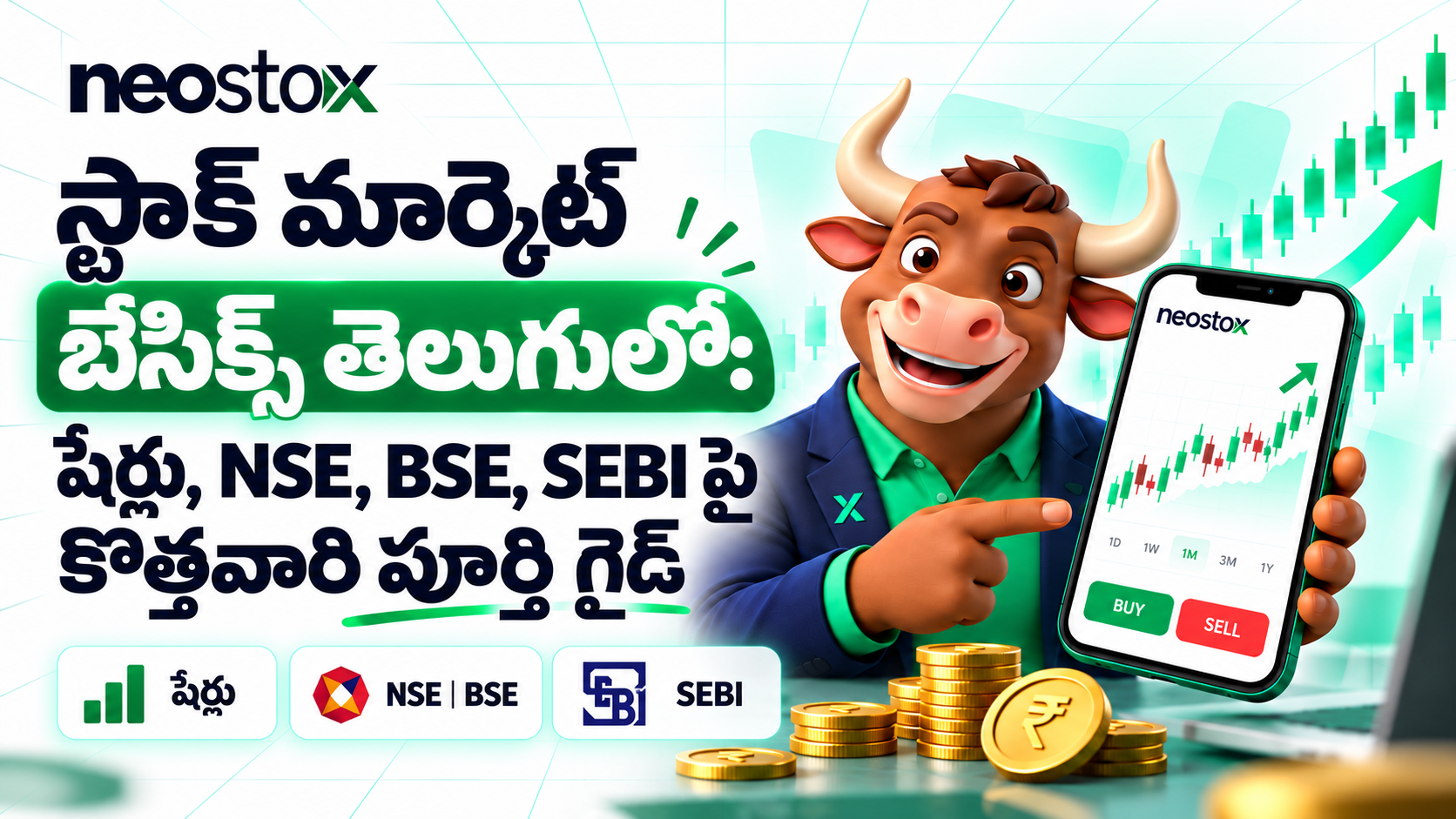
ఈ గైడ్ భారత స్టాక్ మార్కెట్ ప్రాథమిక అంశాలను వివరిస్తుంది: షేర్లు, ఎక్స్ఛేంజీలు, సూచీలు, SEBI పాత్ర. ఇది ఏ షేరునూ, బ్రోకర్నూ, కోర్సునూ సిఫార్సు చేయదు, ఇందులోని ఏ మాటా పెట్టుబడి సలహా కాదు. Neostox ఒక వర్చువల్, విద్యా వేదిక, బ్రోకర్ కాదు. ఉదాహరణలన్నీ కల్పితం, అర్థం చేసుకోవడానికి మాత్రమే.
Read More
This article evaluates a financial claim using hypothetical numbers. It does not recommend a trading approach, does not predict anyone's actual results, and does not reference any specific broker, platform, or trading community. Figures below are illustrative calculations, not projections.
Read More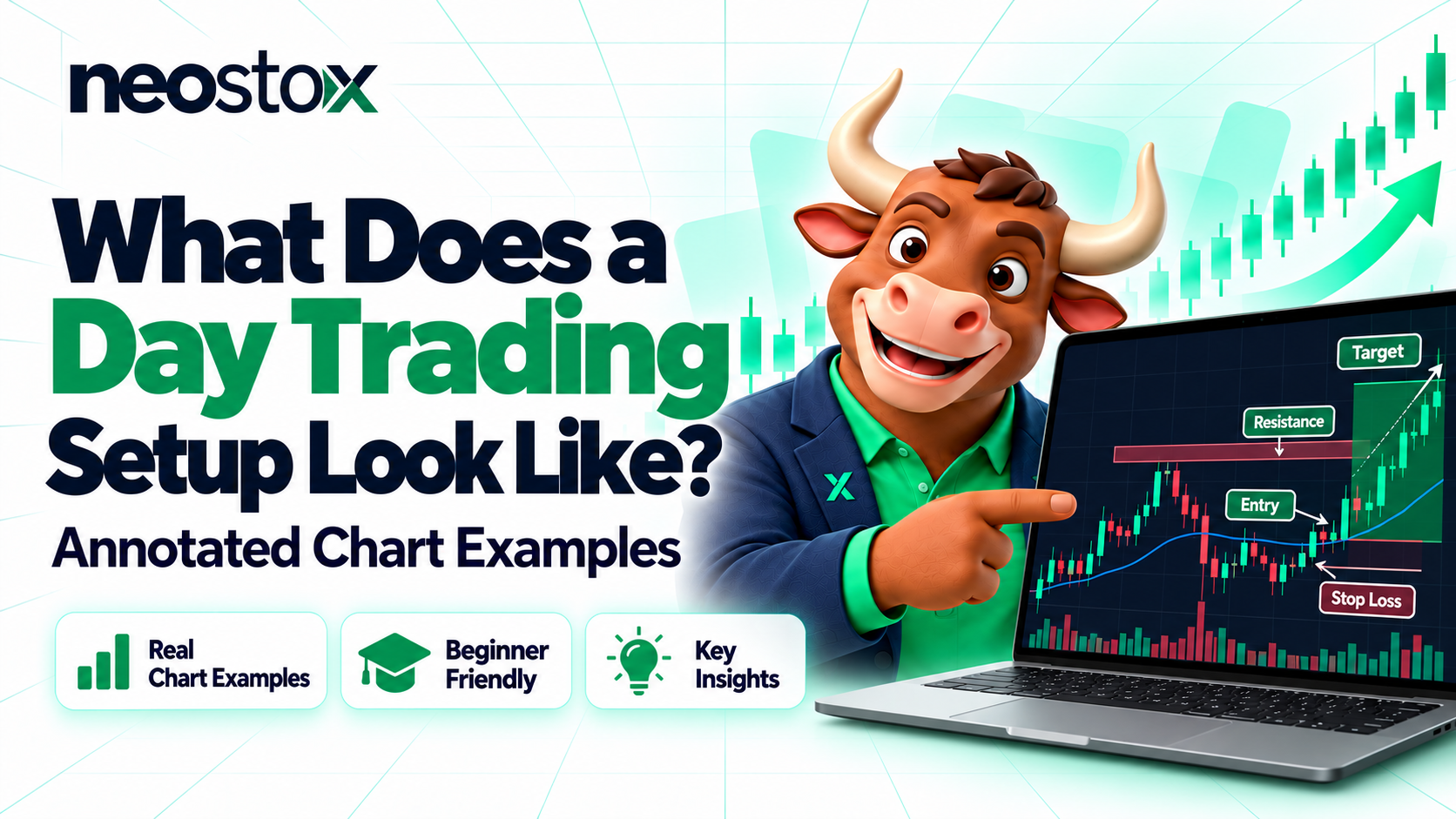
All examples on this page are hypothetical. None are pulled from a real dated chart. None are a current trading opportunity. Terms like "entry idea" and "invalidation point" describe a decision framework. They are not a signal to copy. This page does not recommend a stock, a timeframe, or a specific outcome.
Read More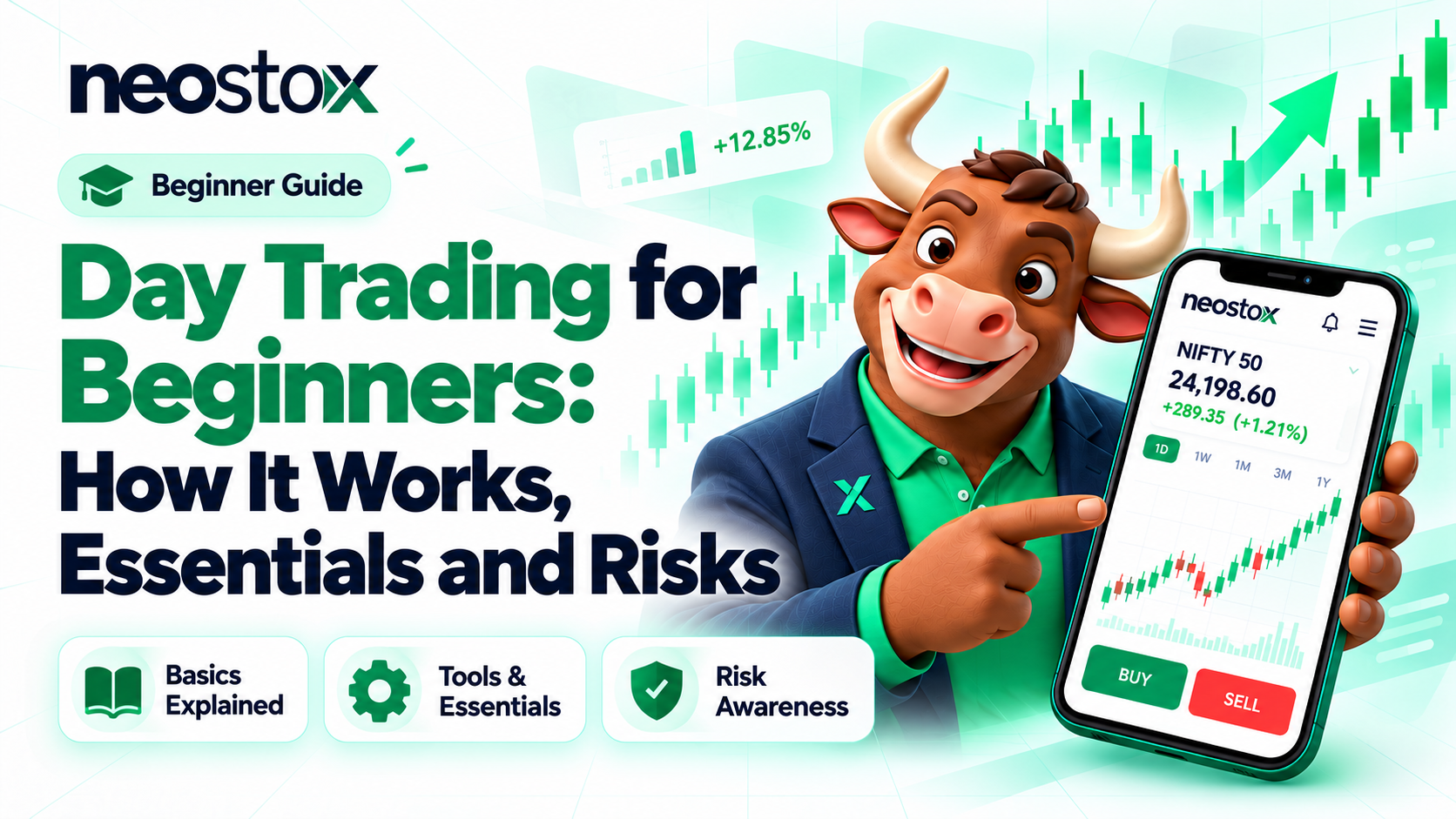
This page covers day trading basics. Mechanics, requirements, beginner risks. It's not a strategy, a course, or a promise of outcomes. Costs and account rules vary by broker and by location. Treat the numbers here as a starting point. Confirm anything specific with your own broker.
Read More
Nobody here is telling you to trust an AI's buy or sell call. Different topic entirely. We're talking about AI as a reading aid for option chain numbers you still check yourself, not as a decision-maker. No product gets named below. No rating, no endorsement.
Read More
Nobody's trashing video content here, plenty of it genuinely teaches useful stuff. This is about one narrow pattern instead. A strategy looks clean, sharp, winning, right there on screen. Put real money behind it, and something different happens. No creator gets named below. None of this counts as investment advice either.
Read More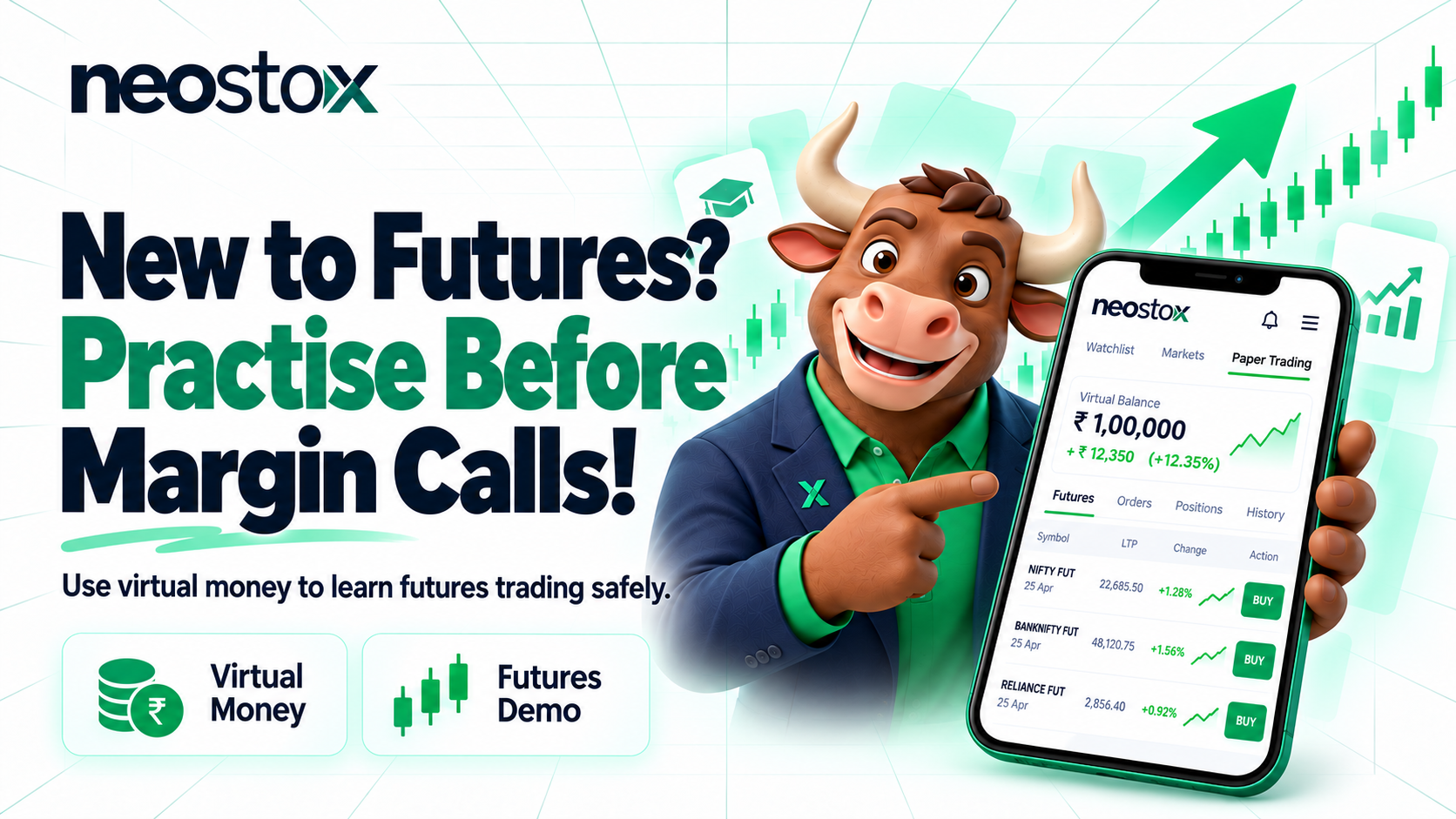
Here's what gets covered. What a margin call is. Why futures carry that risk harder than stocks do. And where you can practise, safely, before any of it involves real money. None of this is investment advice. And no, a demo account doesn't replicate everything, margin pressure specifically is a hard thing to fake.
Read More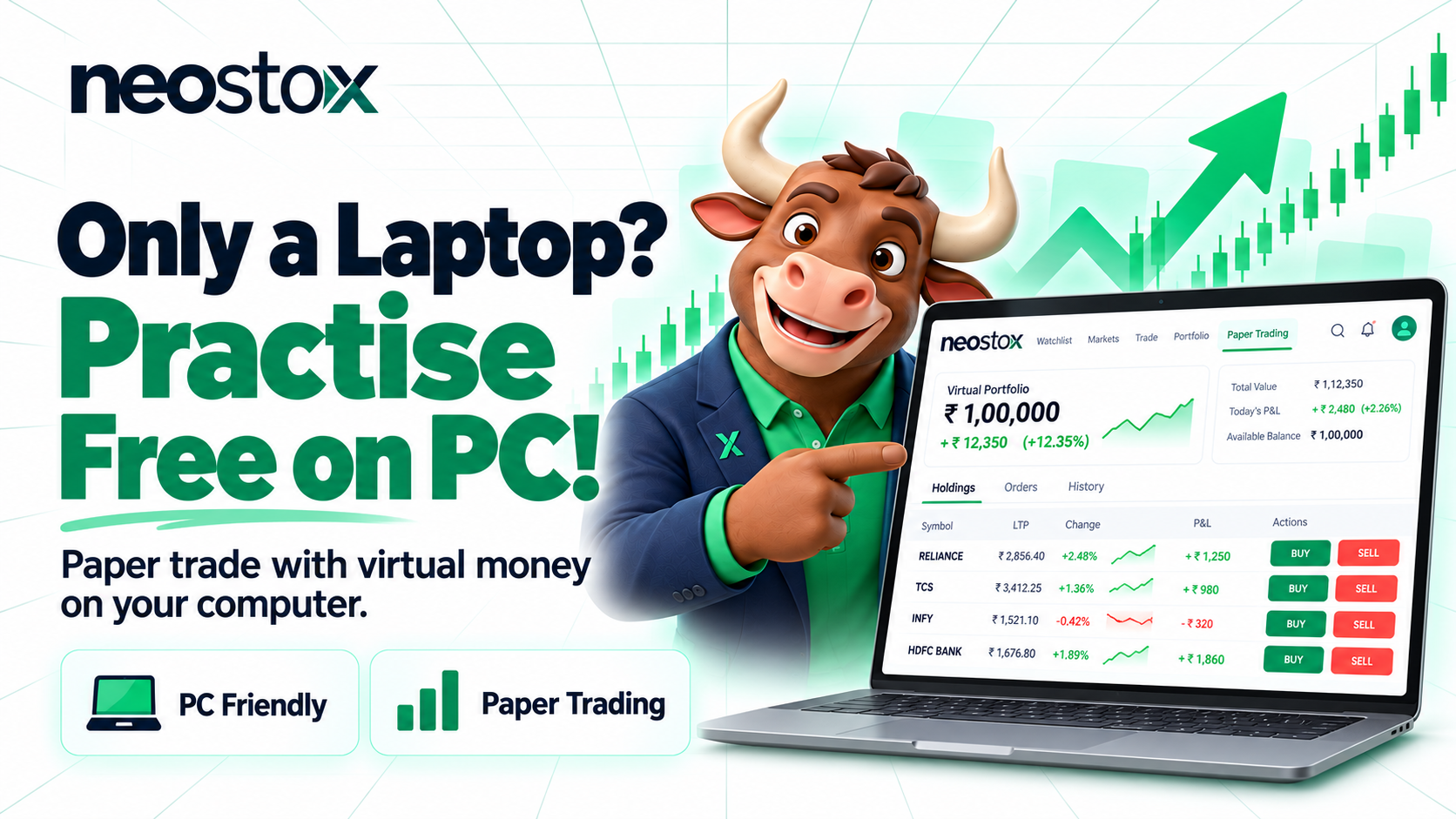
This guide covers one thing: paper trading on a laptop. What you need, how free access actually works, and how to place a first practice trade. It's educational, not investment advice. No provider gets named as universally best here, since free terms and device support genuinely differ, and change. Check current specifics with whichever platform you pick.
Read More
यह लेख बताता है कि फ़ोन पर पेपर ट्रेडिंग का अभ्यास किस तरह सजाया जाए। इसमें किसी शेयर, ब्रोकर या कोर्स की सिफ़ारिश नहीं है, और कोई बात निवेश सलाह नहीं है। पेपर ट्रेडिंग सीखने का अभ्यास है। इससे असली बाज़ार में मुनाफ़े का कोई वादा नहीं बनता।
Read More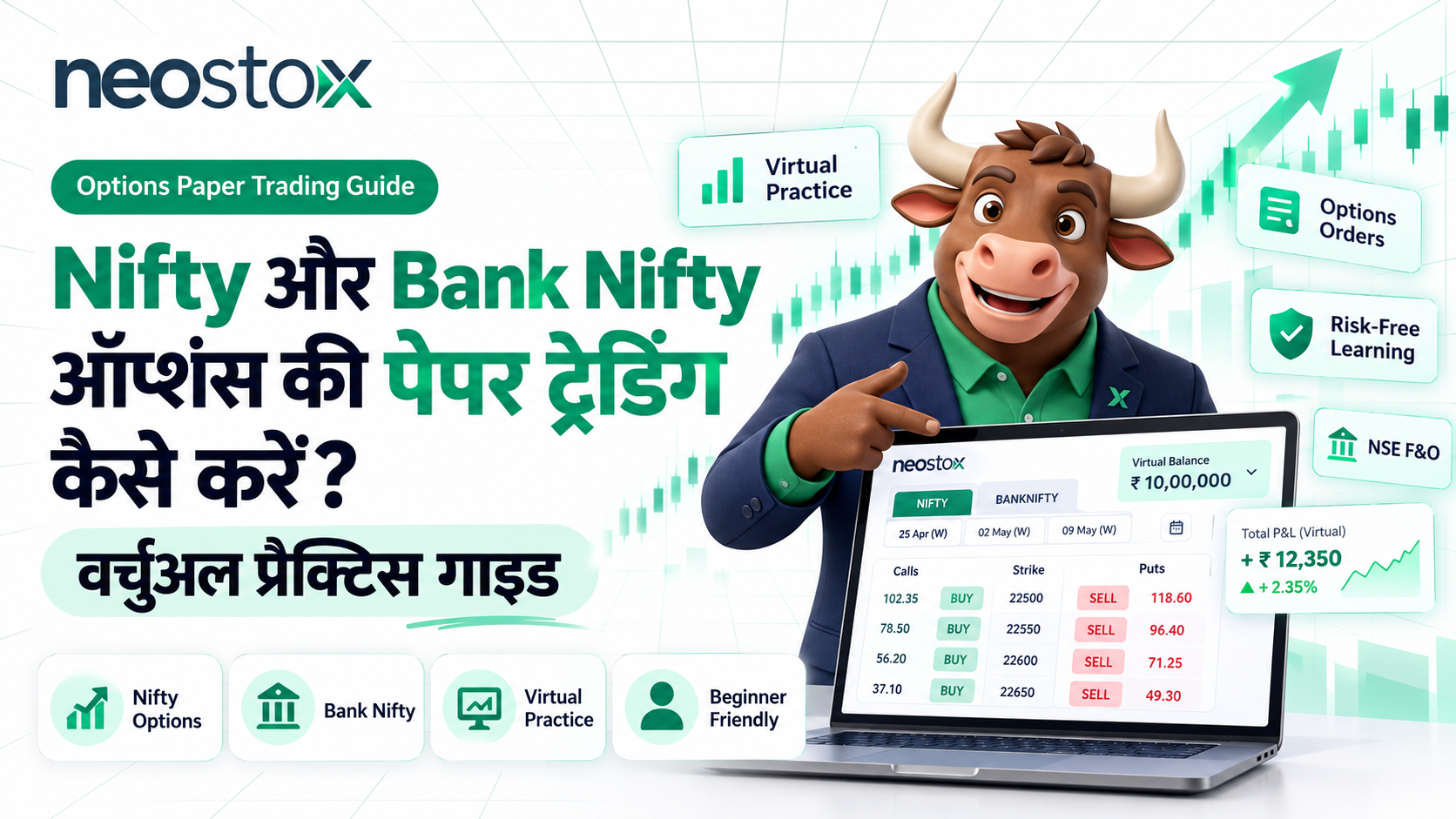
यह लेख Nifty और Bank Nifty ऑप्शंस की पेपर ट्रेडिंग का तरीका समझाता है। यह निवेश की सलाह नहीं है। यहाँ दिए गए सभी कॉल और पुट के उदाहरण काल्पनिक हैं, असली ट्रेड नहीं। SEBI के शोध का हवाला जोखिम समझाने के लिए दिया गया है, किसी नतीजे की गारंटी के लिए नहीं।
Read More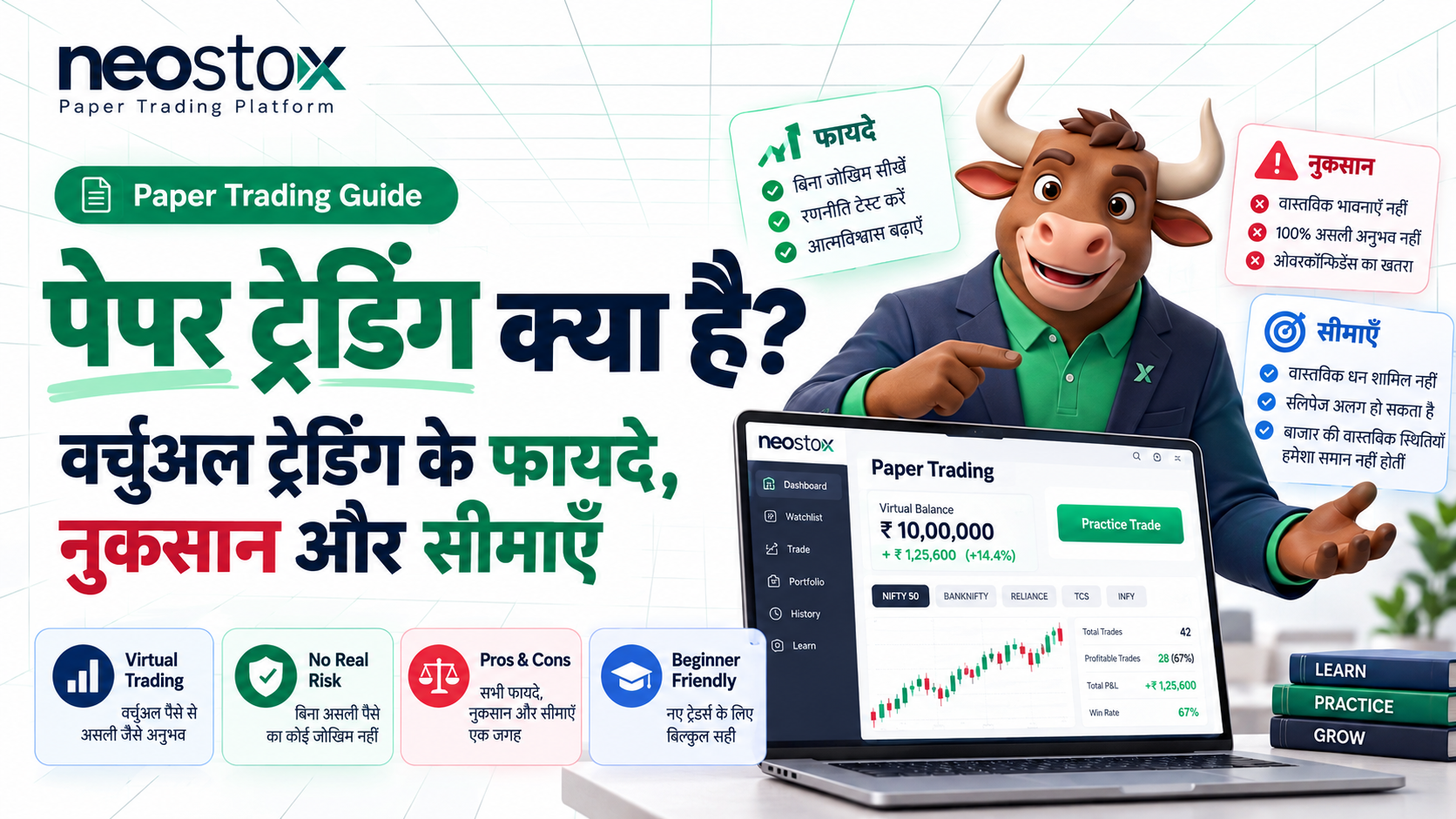
यह लेख पेपर ट्रेडिंग का मतलब, इसके फायदे और इसकी सीमाएँ समझाता है। यह निवेश की सलाह नहीं है, और न ही यह दावा करता है कि पेपर ट्रेडिंग सीखने से असली ट्रेडिंग में मुनाफा पक्का हो जाएगा। ऐसा कोई प्रमाण मौजूद नहीं है, इसलिए यहाँ ऐसा कोई वादा नहीं किया गया है।
Read More
This page helps you evaluate paper trading apps. It doesn't rank or name any specific one. Features and pricing change often. Always check the current details yourself, directly on whichever app you're considering.
Read More
बहुत से लोग ट्रेडिंग की शुरुआत एक वीडियो देखकर करते हैं और पहले ही हफ़्ते में नुकसान उठा लेते हैं। वजह यह नहीं होती कि वे कम समझदार हैं। वजह यह होती है कि उन्होंने सही चीज़ें ग़लत क्रम में सीखीं। किसी ने बिना Stop Loss सीखे Options में पैसा लगा दिया, किसी ने बिना चार्ट पढ़े टिप पर भरोसा कर लिया।
Read More
A quick note before anything else: this guide won't hand you a ranked list of institutes in your city, and that's deliberate, not an oversight. Local institute quality varies too much, and shifts too often, for any list to stay honest for long, and a ranking built on secondhand information isn't something you should trust with your money anyway. What actually helps is a verification method that works identically whether you're in a metro with dozens of options or a smaller city with a handful, covered in full below.
Read More
This article explains how to evaluate a stock market course. It doesn't recommend or endorse any specific course or provider. But it will help to choose best online trading course.
Read More
Grey market activity is unofficial and unregulated by SEBI or the exchanges. This article explains what GMP is and its real limitations, not investment advice.
Read More
Index constituents, lot sizes, and expiry schedules are reviewed and revised periodically by the exchange. Verify current specifications directly with NSE before trading
Read More
Regulatory requirements for retail algorithmic trading in India have been under active development. Verify current rules directly with SEBI and your broker before deploying any automated strategy.
Read More
Futures are leveraged instruments carrying real risk of losses exceeding your initial margin. This article is educational, not investment advice.
Read More
Options are complex, leveraged instruments carrying real risk of loss, including total loss of premium for buyers and potentially larger losses for sellers. This article is educational, not investment advice.
Read More
Intraday trading has its own rules, its own cost structure, and its own specific risks that plain delivery investing doesn't carry. This page covers the foundation, what it actually is, how it differs from delivery trading, what it costs, and the basic risk rules worth knowing before you place your first same-day trade. Where a question goes deeper, the full beginner workflow, detailed risk management, dedicated companion guides on this site cover that in real depth.
Read More
"Best trading app" rankings tell you almost nothing useful, since what makes an app good depends entirely on what you're actually trying to do with it, and rankings rarely disclose their methodology anyway. What actually matters is checkable: real costs beyond the marketing headline, whether the features match your needs, how the app holds up when markets get volatile, and what security is actually built in. Here's how to evaluate any trading app on those terms yourself.
Read More
Most broker comparisons stop at brokerage rates and call it done. That's the least important question you should actually be asking. What happens to your shares if the broker shuts down? Is your money genuinely segregated from theirs? What are you paying that has nothing to do with the broker at all, statutory charges applied regardless of who you sign up with? This guide covers the full due-diligence checklist, not just the fee comparison.
Read More
Two accounts, one confusing overlap. A demat account and a trading account get opened together so often that beginners assume they're the same thing, they're not, and understanding the difference actually matters once you're checking charges or trying to figure out why a fee showed up. This guide covers both clearly, the opening process, the KYC documents you'll actually need, and exactly what you're being charged for and why.
Read More
Every beginner starts in the same place, a wall of terms, NSE, BSE, demat, that nobody stops to actually explain before assuming you already know them. This guide is that starting point. It covers what a stock exchange actually is, how the Indian stock market works day to day, what a demat account does, and how buying your first share actually happens, step by step. Where a topic goes deeper, choosing a broker, picking a trading style, specific instruments, this page points you to a dedicated guide rather than trying to cram everything into one place.
Read More
Most "AI for trading" content either oversells it, ChatGPT as a magic signal generator, or dismisses it entirely, a useless toy for a serious trader. Neither's honest. The real value sits in a specific, practical workflow: using free AI tools for research, prep, and pattern-spotting on your own data, then testing whatever comes out of that on a real platform before risking anything. Here's that workflow, laid out step by step, alongside the direct answers to whether any of this can actually make you money.
Read More
Every income question about day trading collapses into the same two numbers eventually, how much capital you're working with, and what return you're actually generating on it. Not a secret strategy. Not a special indicator. Just those two numbers, multiplied together. This piece walks through every version of that question people actually ask, ₹500 a day, ₹1 lakh a month, doubling your money fast, and gives each one the honest math instead of the motivational answer.
Read More
PMS stands for Portfolio Management Services, a SEBI-regulated way for high-net-worth investors to get a portfolio built and run just for them, not pooled with anyone else's money. This guide covers what it actually means, who manages it, who qualifies, and how it differs from a mutual fund, in plain terms.
Read More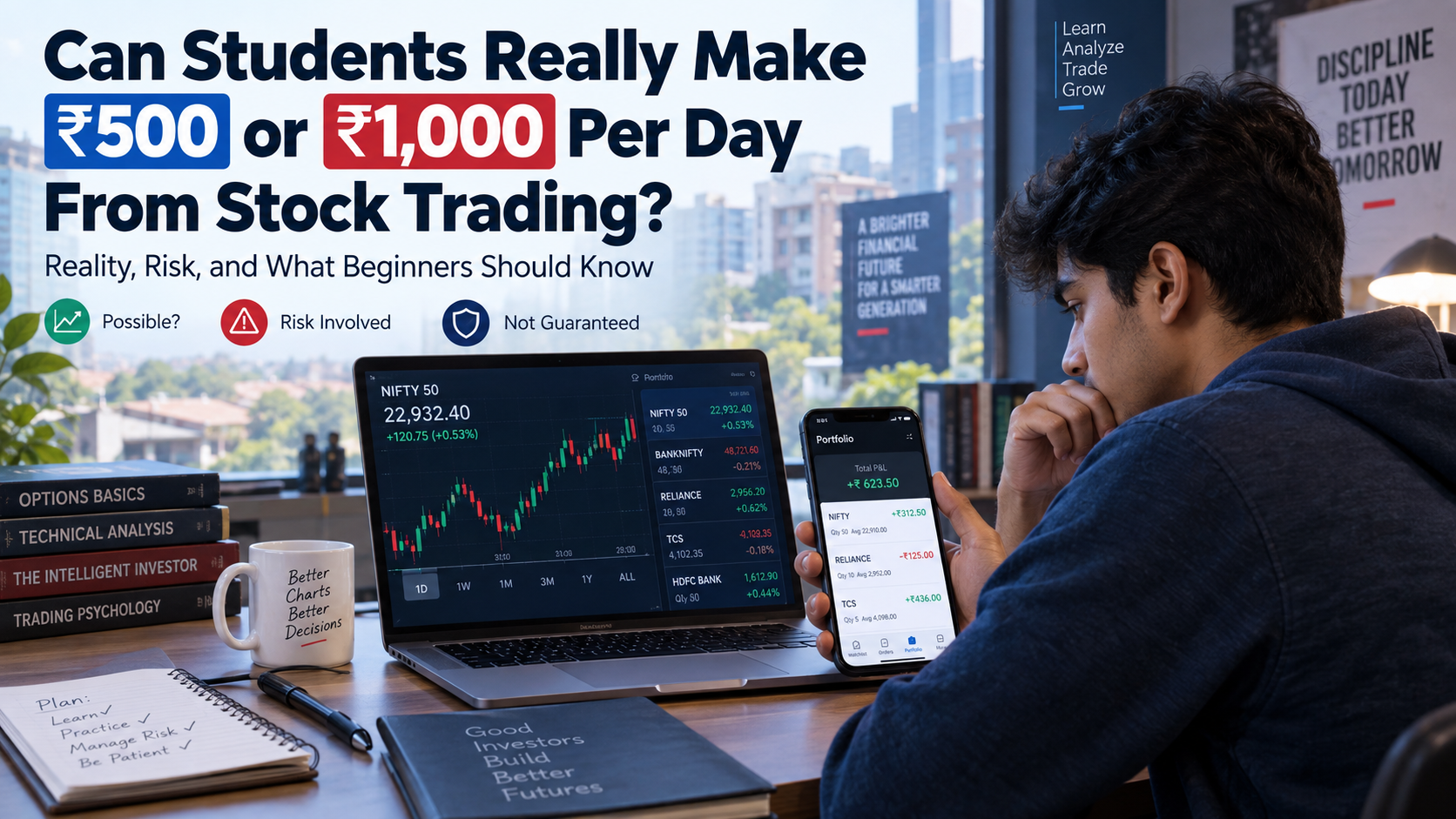
Type "how much can I earn trading" into any search bar and you'll find dozens of confident answers, most of them skipping the one number that actually decides everything: how much capital you're starting with. For a student working with a few thousand rupees, ₹500 or ₹1,000 a day isn't a stretch goal, it's often mathematically unrealistic without taking on risk that would put your entire capital at genuine risk of wipeout. Here's the actual math, not the motivational version.
Read More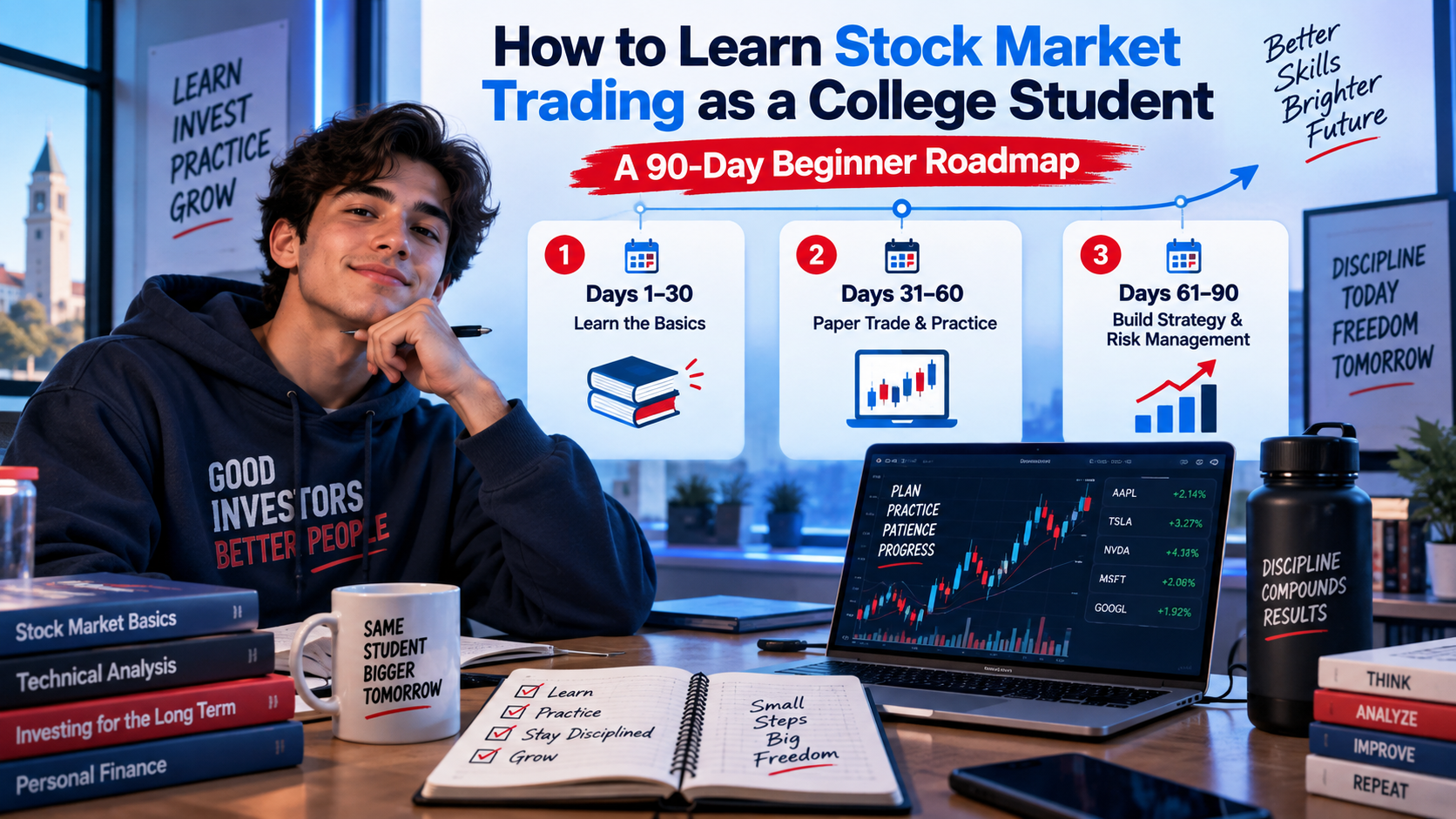
Markets in India run from 9:15 to 3:30, right in the middle of most college timetables, which is the one problem nobody mentions when they tell students to "just start trading." This roadmap actually accounts for that. Ninety days, broken into three realistic phases, built around a schedule that still has lectures, assignments, and exams in it, not a fantasy version of your week where trading is the only thing happening. Here's how to actually learn this properly without blowing off your semester to do it.
Read More
Every simulator's landing page claims to be the most realistic one out there, which makes actually comparing them a bit useless if you're just reading marketing copy. What matters for a student specifically is narrower than a general "best of" list suggests, cost, whether the data is genuinely live or quietly delayed, and whether it actually teaches you something instead of just letting you click buttons. This guide walks through what to check, honestly, rather than handing you a ranked list built on ad spend.
Read More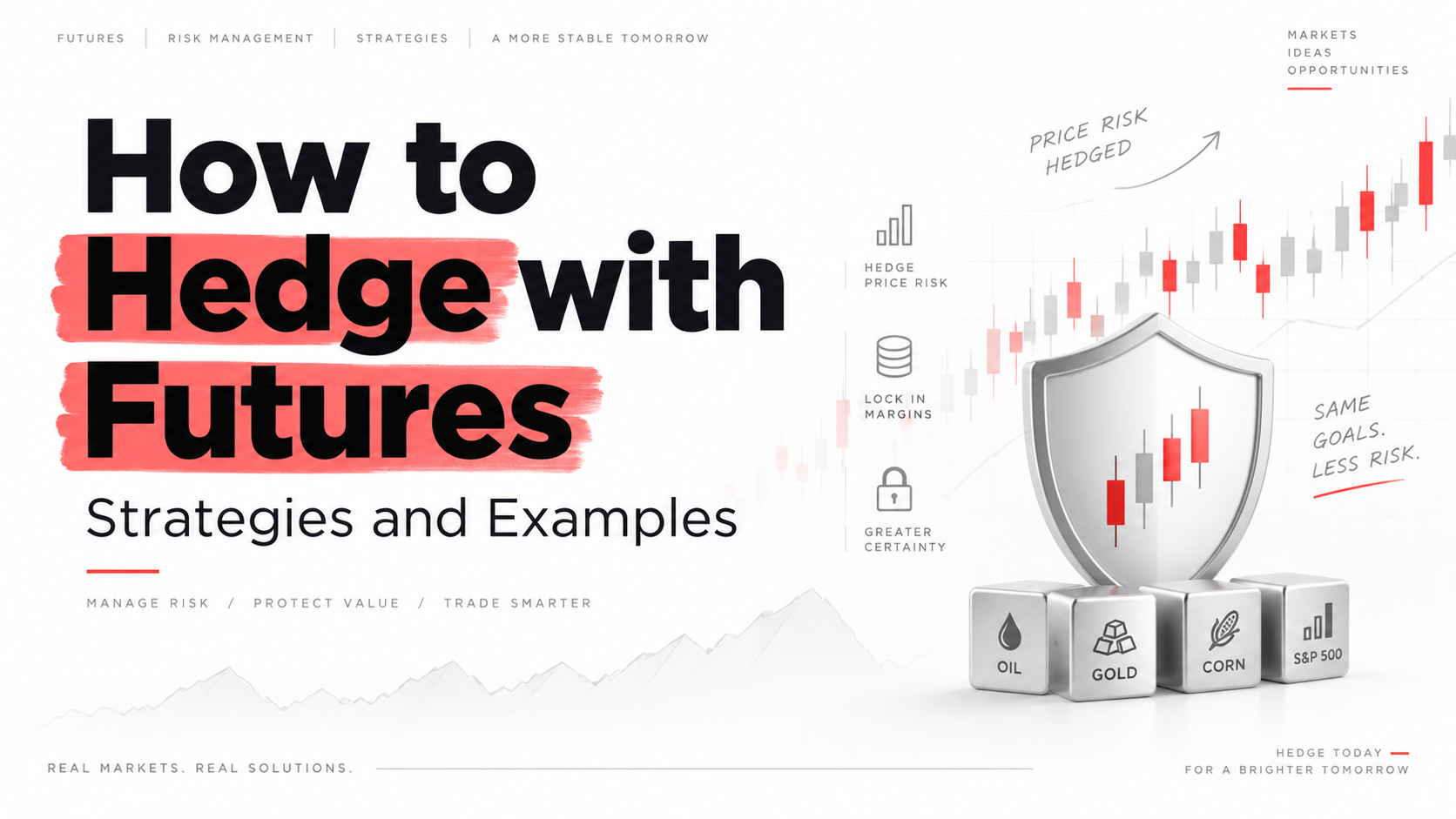
Options hedging costs you a premium upfront and that's the end of it, win or lose. Futures work differently, no premium to pay, but you're on the hook for margin, daily cash settlements, and an obligation you can't just walk away from if things go sideways.
Read More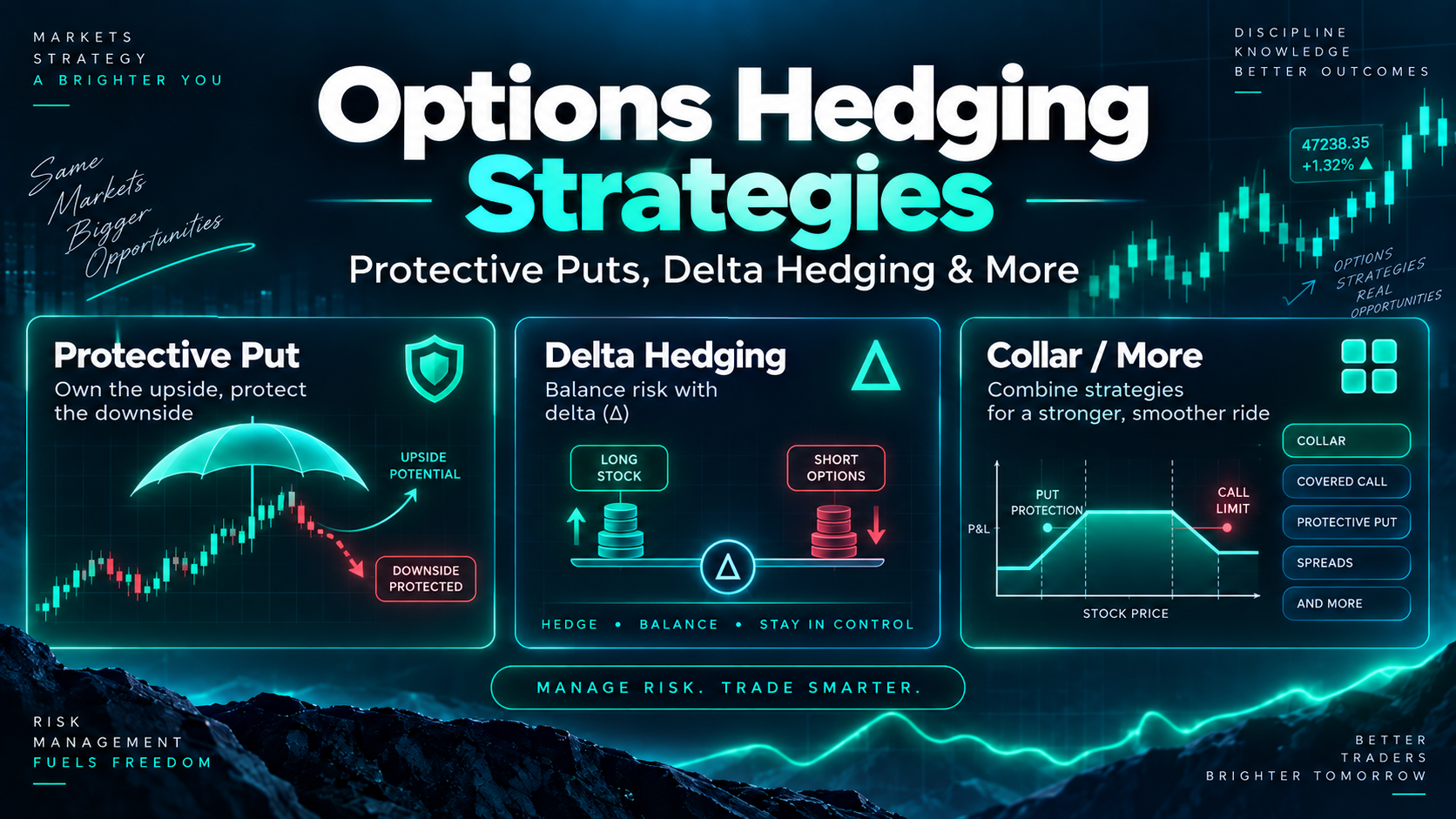
Options weren't really built for gambling, even though that's mostly how they get marketed. Their original, and honestly still most useful, job is managing risk with precision a stop-loss or a simple exit just can't match.
Read More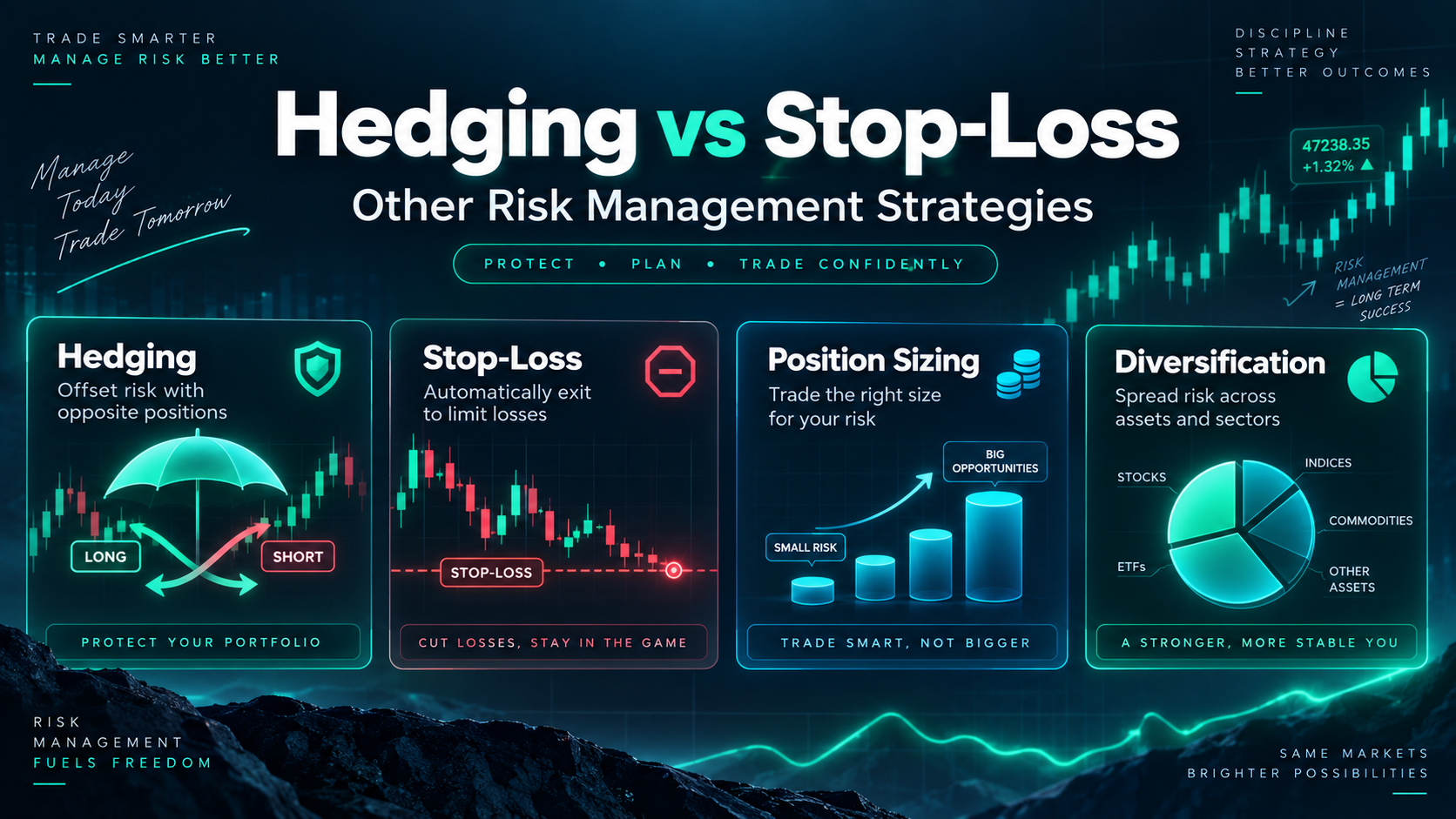
Picture two traders holding the exact same losing position. One sets a stop-loss ahead of time and, when price hits it, walks away with a small loss they already knew was coming. The other buys a hedge instead, stays put, and rides it out a little more protected than they'd otherwise be. Neither of them did anything wrong, they just reached for different tools to solve the same problem. This guide gets into how hedging and stop-losses actually differ, when you'd reach for one over the other, and where they fit next to the rest of the risk management toolkit worth knowing.
Read More
Not every trade needs protection. That's the part beginners miss once they learn what hedging is. Hedge everything, and the cost quietly eats your returns. Hedge nothing, and one bad surprise can wipe out weeks of gains. The real skill isn't knowing how to hedge. It's knowing when. This guide walks through the specific situations where hedging actually earns its cost, the situations where it doesn't, and a simple way to weigh the decision each time it comes up.
Read More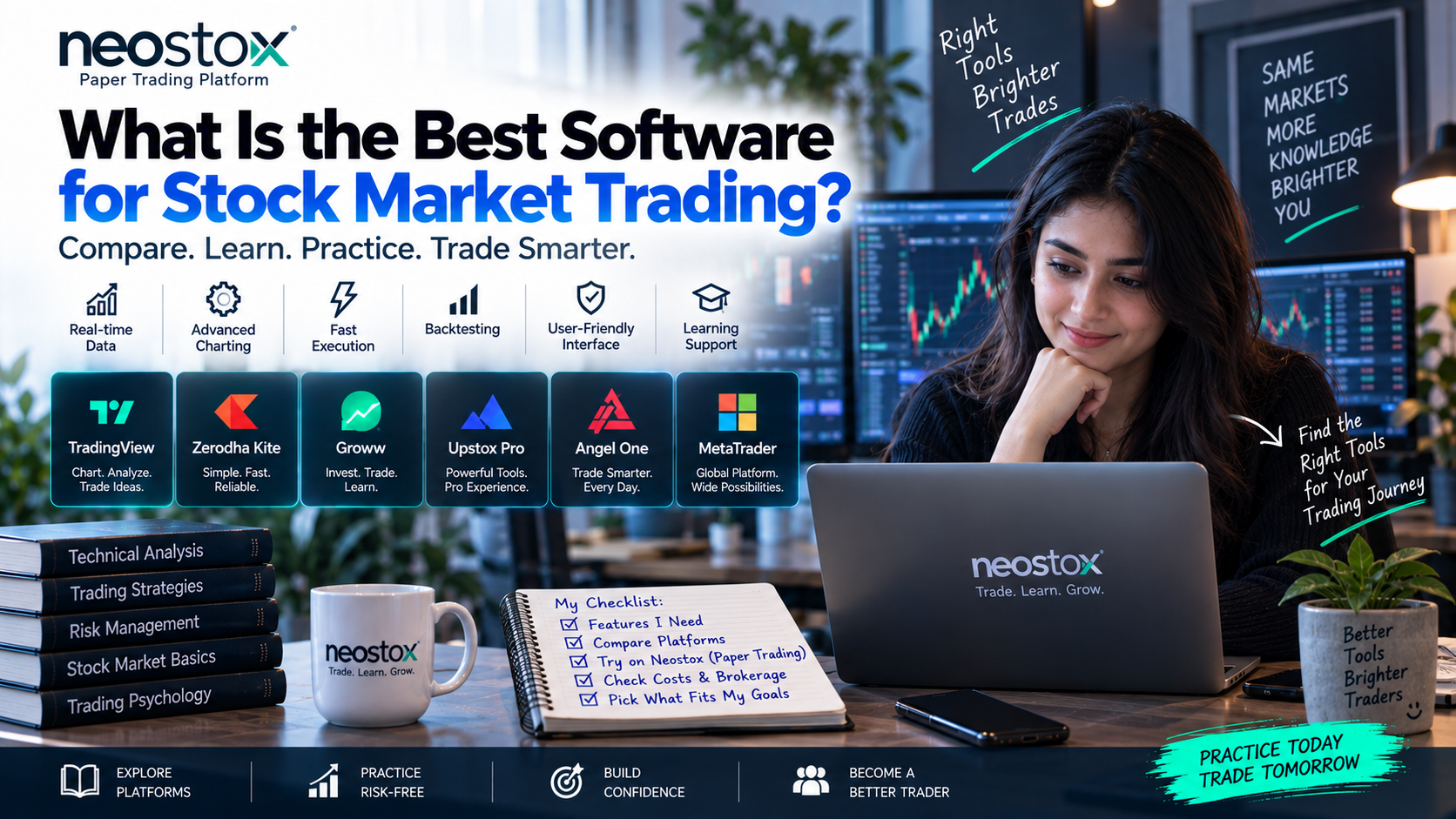
There is no single best stock trading software for everyone. Learn how to choose the right platform for execution, analysis, options practice and risk management.
Read More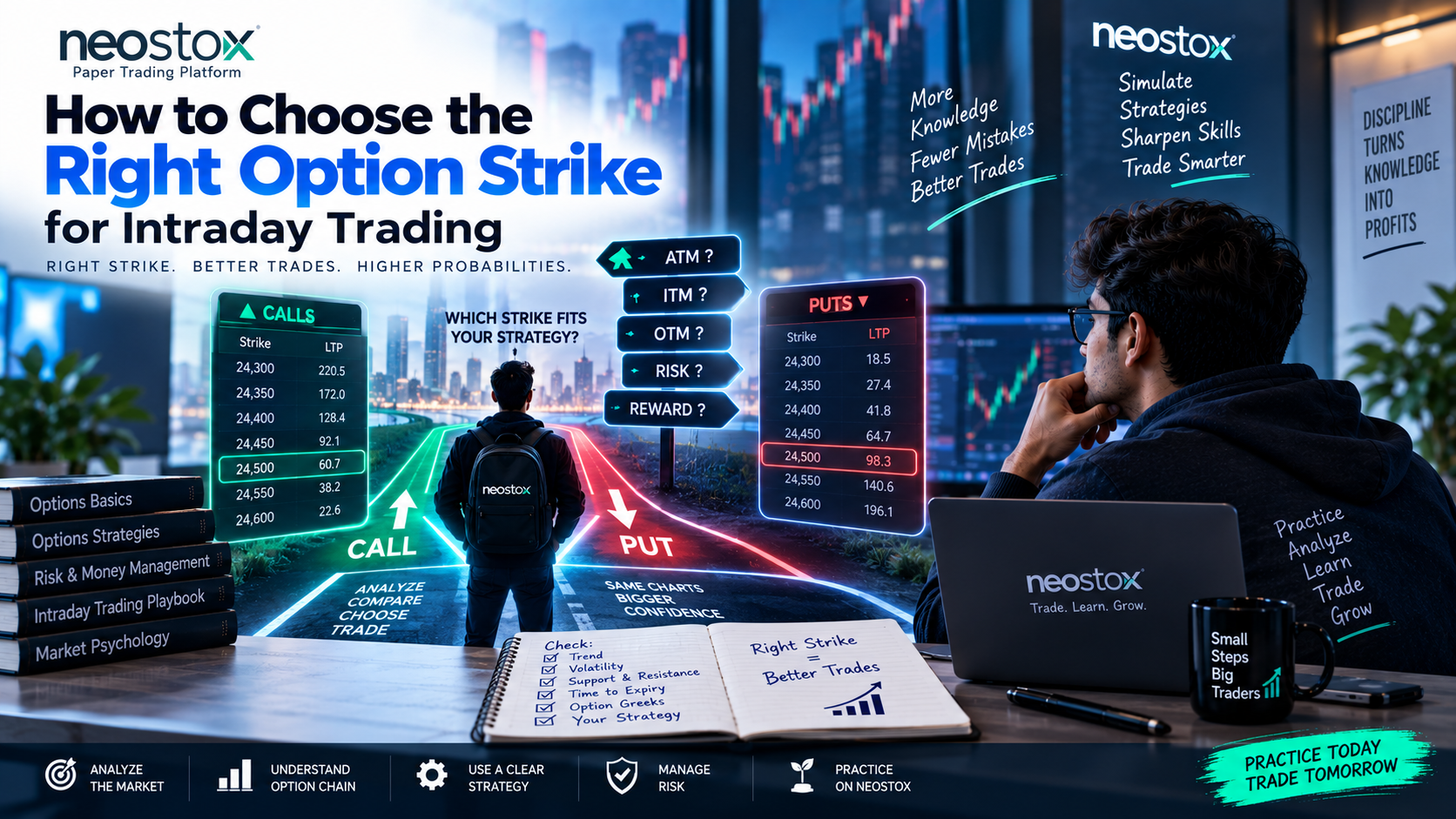
Choosing the market direction is only one part of an options trade. This article explains why different strikes can behave differently even when the underlying moves as expected, what traders should consider before buying a Call or Put, and how Neostox can help identify options that are moving in line with their underlying stock or index.
Read More